Web Development
How to Develop a Website in 2026: 8 Steps, and How AI Changes Each One
The eight steps from goal to launch, how long a build takes, and how AI changes each step.

Topic guide · 24 posts
I organise a website build around eight checkpoints: goal, audience, content, design, build, testing, launch and ongoing ownership. Work can overlap, but each checkpoint needs an owner, something to approve and a clear completion check. AI can help with research and implementation; it does not replace those decisions.
The rescues I get called into are rarely just bad code. It’s a business-critical site with no clear owner, no test environment and no useful handover. I build and test agents and AI workflows every day, and the same rule keeps coming back: give the tool a project structure, clear access limits and a review step. My team uses Claude Code inside those guardrails. Your marketing team owns the strategy; we own the technical architecture, design and delivery around it.
Choose the platform around the content, editors, transactions, integrations and support the business needs. WordPress is one option; Drupal, Shopify or a headless setup may suit different requirements. The CMS guide compares the trade-offs. Then check the homepage, phone experience and accessibility.
When not to rebuild: if the platform is sound and the problems are content, speed, tracking or conversion, improve the site you have. Many rebuilds are avoidable.
Web Development
The eight steps from goal to launch, how long a build takes, and how AI changes each step.

Web Development
How WordPress, Drupal, Shopify and headless options compare, and the questions I ask before choosing.
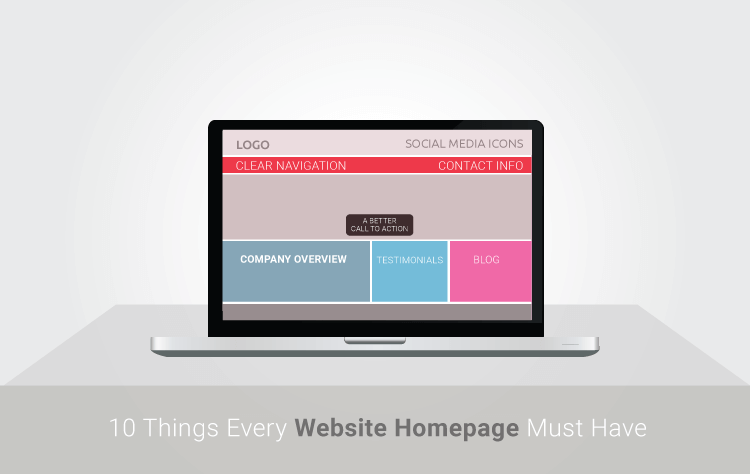
Web Development
The 12 things I build into every business homepage, including what makes it readable by AI.
Website Design
How to design and test a useful phone experience without assuming every audience is mobile-first.
WordPress
Common accessibility failures and their fixes, WCAG 2.2, and what Australian law expects.

Web Development
Freelancer or agency: when each fits, the real costs and risks, and the checks to run first.
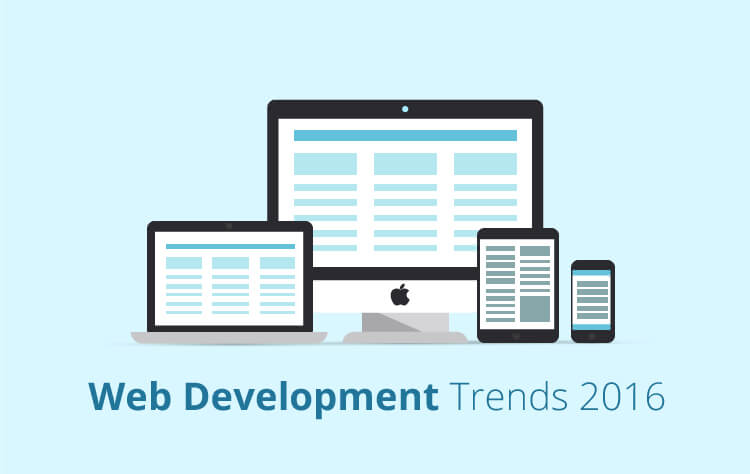
Web Development
What is shaping web development in 2026 and 2027, and how the 2016 predictions turned out.
Web Development
Who looks after the site after launch: Australian maintenance companies compared, with my method.
That’s what I built WP Creative for. My team does the work, and I stay close to it.
My eight checkpoints are goal, audience, content and structure, design, build, testing, launch and ongoing ownership. At each stage, name the approver, the input they need and what demonstrates completion. Plan content before committing to layouts; keep redirect, recovery and measurement checks in the launch work. The eight-step guide goes deeper.
Agree a staged estimate after the scope is clear: page types, content migration, integrations, design reviews and testing. Put an owner and approval date against each stage. Separate implementation time from time waiting for content or decisions, and agree how a change in scope affects the release date.
Choose around the job and the people who will maintain it. WordPress offers flexible publishing and a broad ecosystem; Shopify can suit commerce, and Drupal or a headless architecture may fit some complex requirements. Check permissions, integrations, operational costs and exit options before choosing. See the CMS guide.
Improve the one you have when the platform is sound and the problems are content, speed, tracking or conversion. Rebuild when the platform blocks the changes you need, the site can’t be maintained safely, or the business has changed so much that the structure no longer fits.
The Disability Discrimination Act 1992 makes it unlawful to discriminate against people with disabilities when providing goods and services, which includes websites, and the Australian Human Rights Commission points to WCAG as the standard. Government agencies have specific requirements. This is general information, not legal advice. See the accessibility guide.
Book a free call. You will talk with me or my team at WP Creative about what your website must earn, and get a straight answer on whether it needs a fix, a rebuild or nothing at all.