
Website redesign services that first ask if you need one
“Do I need a new website, or can mine be fixed?” It is a useful question to settle before a design brief.



















Why work with Nirmal Gyanwali on website redesign services?
The stake is real. A rebuild you didn’t need costs months. A careless one can cost the rankings you spent years earning.
My answer is the same every time: stabilise before you optimise. Fix the fragile back end before the facelift. So my team’s website redesign services start with an honest look at what you have. Some sites need a full rebuild. Many need their key pages redesigned and the backend cleaned up. A few need nothing but care.
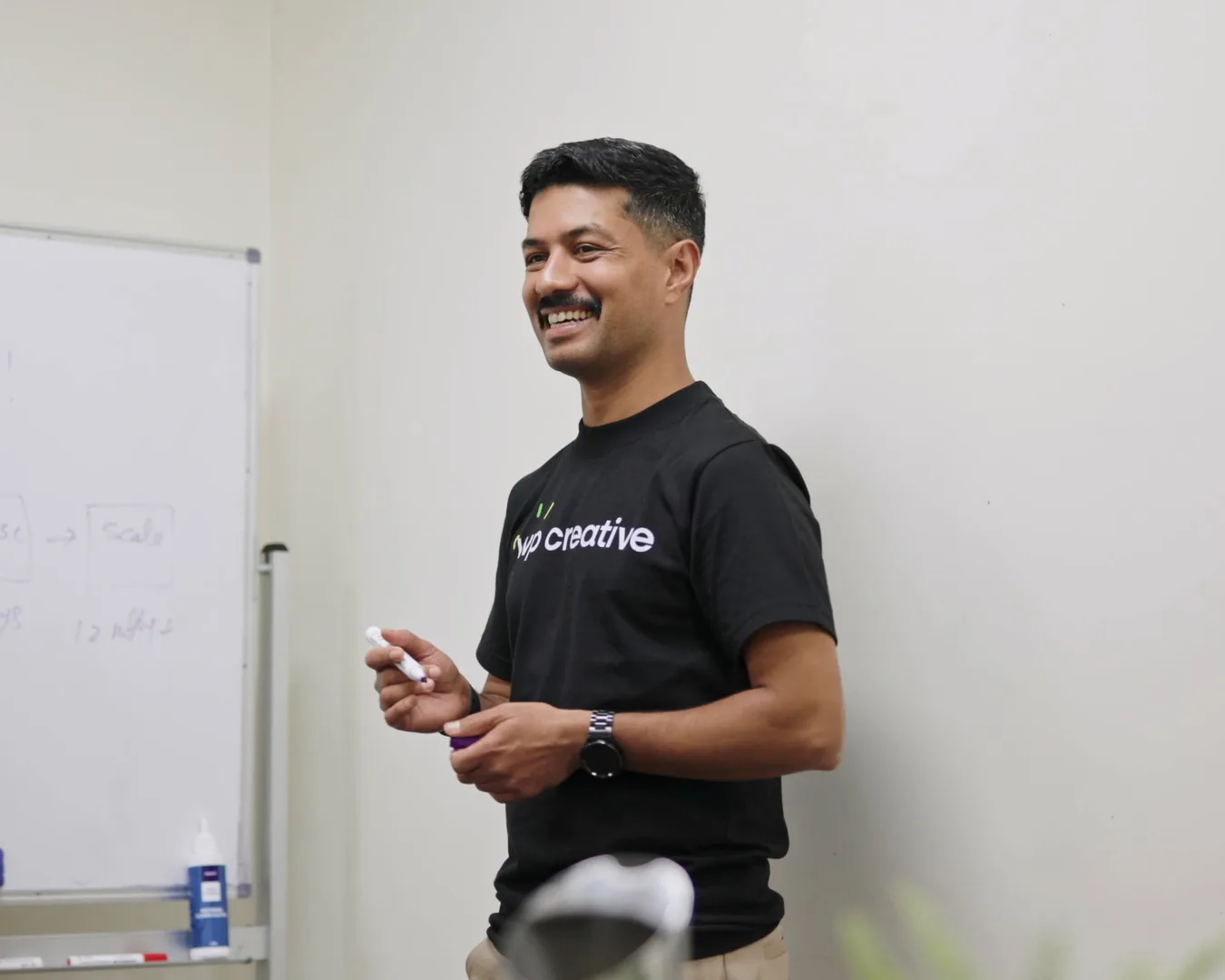
I’m Nirmal Gyanwali, founder and CEO of WP Creative, and I built PostCliq. I still build and test agents and AI workflows every day. That keeps me close to the work, but technology comes after the business case: what should change, what must keep working and what is worth keeping? I set the direction and the standards; my team at WP Creative designs, builds and looks after the website.
Do I need a website redesign, or can the site be fixed?
Redesign when the site no longer explains what you sell, stops converting, or fights your team on every change. Otherwise fix it: stabilising the backend and refreshing key pages costs less, ships sooner and puts fewer rankings at risk.
Fix it if: it ranks and converts, but it’s slow, fragile or dated and the structure works.
Redesign or rebuild it if: your offer has changed, your team can’t edit it, the theme is dead or insecure, it can’t connect to your CRM, or a documented access or rendering limitation cannot be repaired on the current platform.
The pattern I see most often is a slow site being sold a full rebuild before anyone has checked the cause. The design gets blamed for years of unowned plugins, fragile integrations and missed maintenance. My team first checks whether those can be repaired. A new theme should solve a structural problem, not hide the old one under a new look.
Two of my team’s best results came from not rebuilding: Bidfood (search click-through 3.6% to 6.8%, Google Search Console, July 2025 against July 2026) and PRD Burleigh Heads (mobile PageSpeed score 24 to 93, August 2024 against August 2026). See when to redesign a website.

Will a redesign hurt my Google rankings?
It can, and no one can promise it won’t. What you can do is remove the usual causes. URLs, useful content and links matter, and design changes can affect navigation, internal links, rendering and usability too. Test the rebuilt templates rather than assuming the look is independent of search. Change addresses, remove pages or rewrite what ranks without a plan, and you’re starting again. Plan the URLs before anyone designs a page.
It’s the fear behind most redesign conversations. Agree the safeguards before approving the new templates. What to protect:
Agree the acceptance baseline before changing the visuals: which enquiry paths, ranking pages and editor tasks must keep working, and which business measure the redesign is meant to improve. Compare those same journeys after launch; a new screenshot is not the outcome.
Expect some movement for a few weeks while Google re-reads the site. If a drop lasts, check the move first: missed redirects, changed content, pages blocked from search. If those are clean, look outside the site too, because a Google update, a new competitor or seasonal demand can move rankings in the same weeks. The mechanics of the move, and what to do when traffic falls, are on my website migration page.
- Every URL with traffic or links, including images and PDFs.
- Titles, headings and content on the pages that rank.
- Structured data and internal links, so Google and AI tools still understand the site.

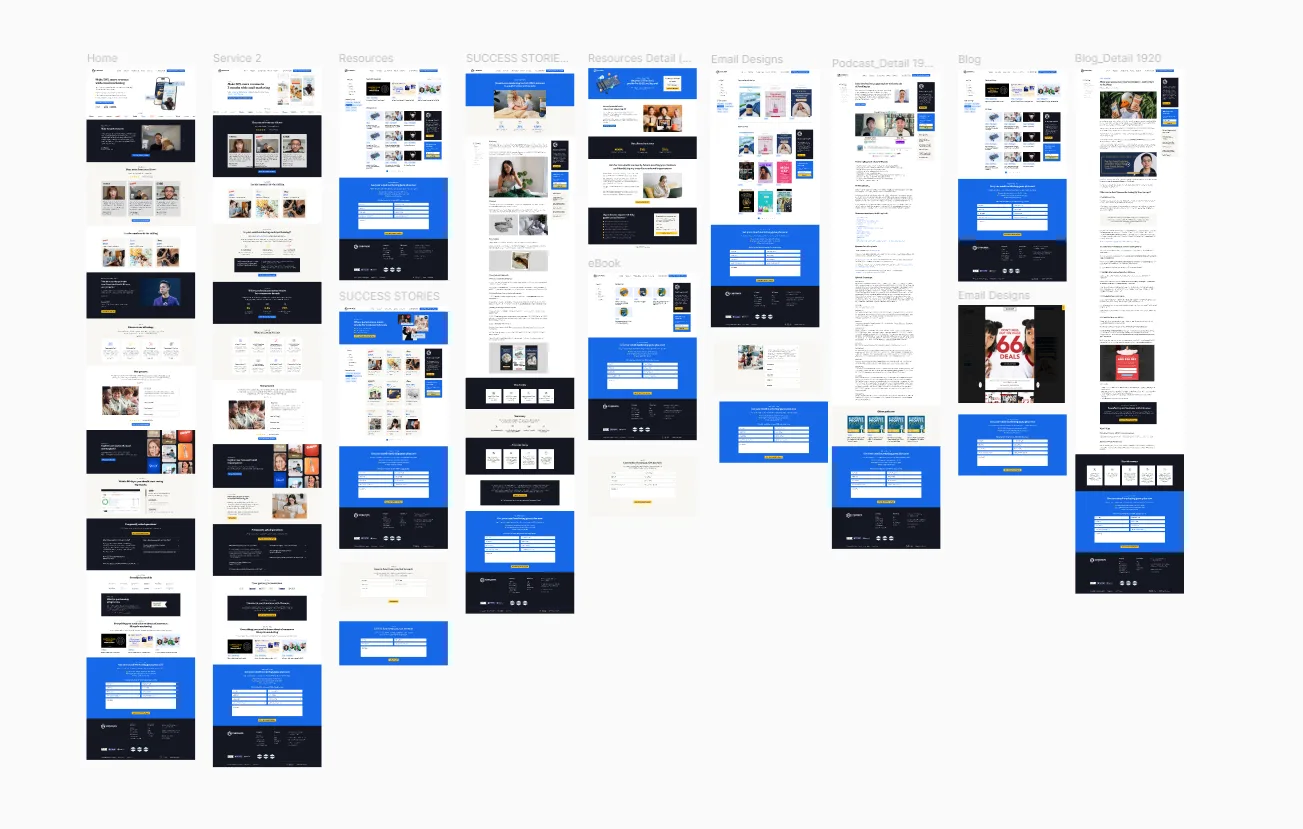
Redesigns my team has delivered
Crown Furniture
Read the case study
RTO Works

Chronos Agency
Should a redesign get my site ready for AI search and agents?
Yes, include the relevant checks in the redesign brief: accessible content, accurate facts, crawl and indexing controls, and the task a permitted agent is meant to complete. Google’s AI features do not need special schema, and Google can render JavaScript. Other tools differ, so test the intended retrieval and action paths.
The agentic web is the stage of the internet in which AI agents, not just people, find, read, compare and act on websites on someone’s behalf. A redesign is when you decide whether yours is an agent-ready website: one an AI agent can find, read accurately, trust and act on, without a person having to interpret it. See what makes a website AI-ready.
AI also changes how the site is run. My team uses Claude Code within a project structure that records the rules, decisions and standards before it changes code. We scope access to the job, review the result and keep a change history and recovery plan. Your marketing team owns the strategy. My team owns the technical architecture, design, build and delivery, so faster drafting does not become an unreviewed production change.
When not to redesign for AI: if your site is sound. Start with access, useful content and testing the tools that matter; add supported markup where it serves a documented feature.

How do you get a website live by a hard deadline?
Cut scope, not quality. Decide which pages must exist on launch day, usually the homepage, the key service templates and one landing page, and ship those properly. Build the rest after launch. Content and approvals move dates more than design or development, so lock who signs off before work starts.
For reference, on WP Creative’s projects a custom redesign typically takes 6 to 10 weeks from kickoff to launch. A refresh of key pages is faster. A site with over 1,000 pages and integrations takes around three months.
When not to force the date: if the deadline is an event or a campaign, launch the landing page it needs and keep the full redesign on its proper timeline. A rushed site launch puts the rankings at risk for a one-day win.
Website redesign FAQs
Can we refresh the look without a full rebuild?
Often, yes. A new homepage, updated styling and cleaner key pages can make a site feel new without touching the foundations. The exception is a dead or insecure theme underneath: then a refresh is lipstick, and we’ll say so.
Should we wait until our rebrand is finished?
If the rebrand is months away, mostly yes. Fix what’s urgent now (security, speed, broken forms), then redesign with the new brand. A brand guide isn’t a website design, though: translating it to the web is its own piece of work.
How do you phase a website when cash flow is tight?
Phase by what earns. Fix what’s losing you enquiries now, like broken forms, speed and security. Then rebuild the pages that sell. Leave the rest for a later phase. How WP Creative structures project payments is on its site.
Who moves the content?
Either of us, agreed up front. Some teams move it themselves with our templates and training. Others hand it all over. The only wrong answer is not deciding, because that’s where redesigns stall.
How often should a website be redesigned?
Less often than most agencies suggest. A site improved every month can last for years. Sites rebuilt every three years are usually the ones nobody touched in between.
Thinking about a redesign?
Before you brief anyone, decide what the site must earn and whether it needs rebuilding at all. My guide on when to redesign a website walks you through that decision. Then book a free call. You’ll talk with me or my team, and we’ll tell you whether you need a redesign, a rebuild or neither.