
AI web design, led by a founder who still builds.
AI can make the repetitive parts of web design faster. AI can write the page. It can’t sign off the risk. So AI does the fast work, and a person stays accountable for every decision.

I judge design by enquiries, not compliments
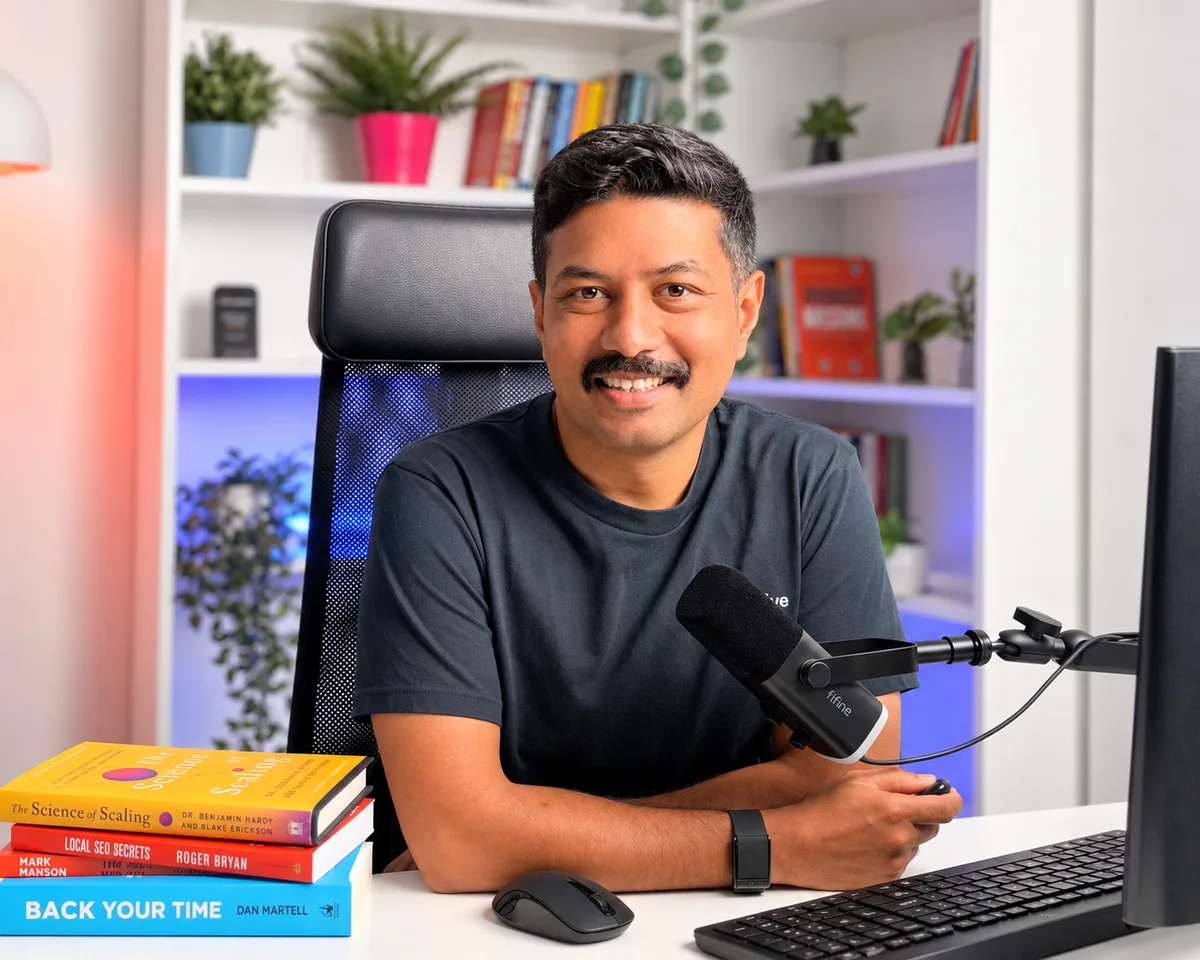
I started my career as a web designer. Then I taught myself to build what I designed. Then I had to market my own product, because nobody visits a website just because it’s beautiful.
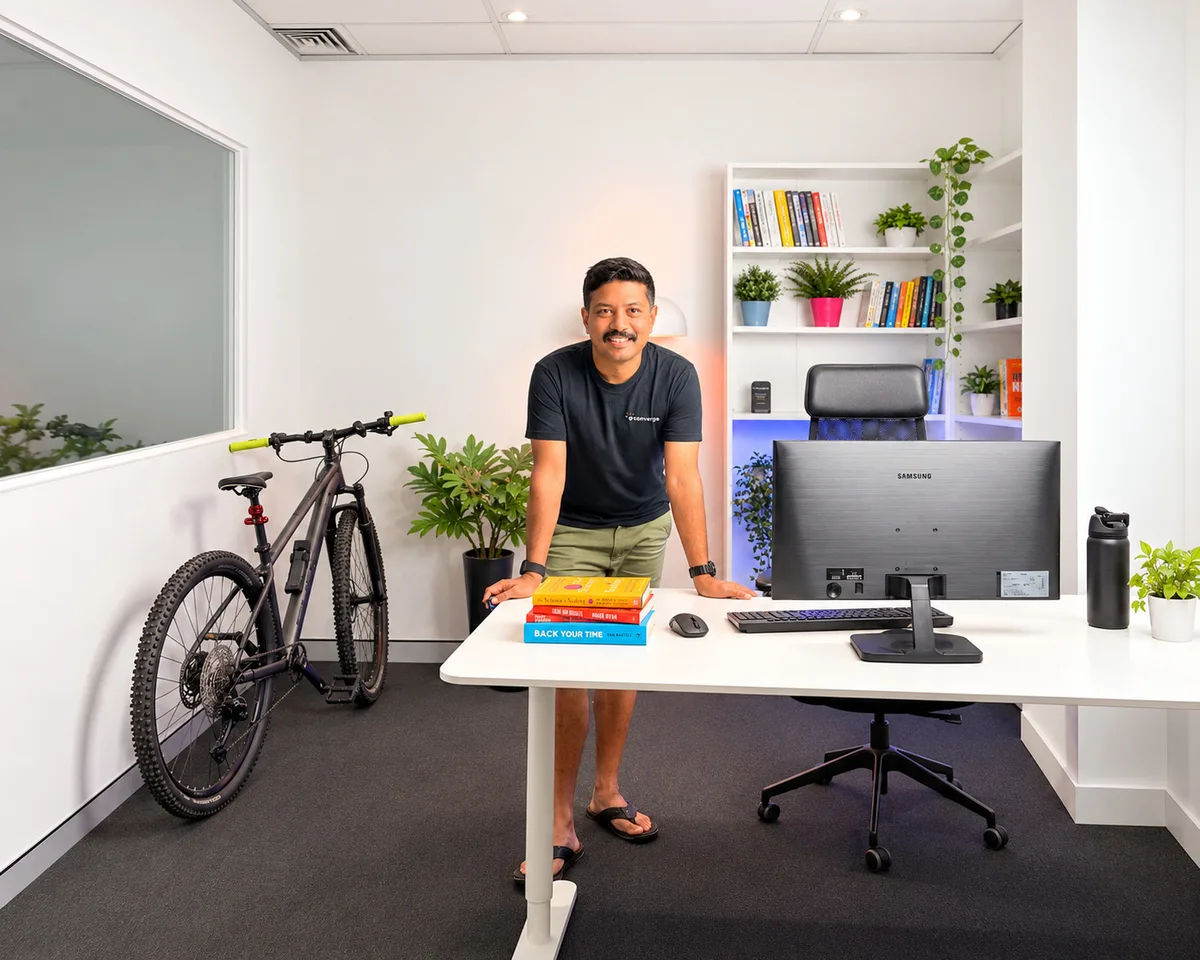
I’m Nirmal Gyanwali, Founder and CEO of WP Creative, and I built PostCliq. I’ve been building on the web since 2005. I set the direction and the standards; my team at WP Creative designs, builds and looks after the websites.
What is AI web design?
AI web design is designing and building a website with AI doing the repetitive work: research, outlines, first drafts, code scaffolding and testing. People still own the strategy, the design decisions and the final review. Done well, you get a custom site sooner. Done badly, you get a template a tool guessed for you, with your logo on it.
AI does the fast work. People decide.
01
Discovery
AI summarises calls, search data and competitors. People decide what the site must achieve.
02
Structure and copy
AI drafts site maps and FAQs. You own the voice and sign off every page.
03
Design
AI speeds up research and variations. You approve the design before any code.
04
Build
AI scaffolds blocks and templates. A person reviews every change.
06
Launch
AI checks speed, tracking and crawler access. People decide when it’s ready.
What should an AI-built website still have?
Everything a good website always needed. AI changes how fast those arrive. It doesn’t change the list. If a quote skips one, ask why.
- Built around your buyers
- Editable by your team
- Fast by design
- Readable by AI
- Tracking you can trust
- An owner after launch
More AI services

Should I use an AI website builder or a custom site built with AI?
THE TOOL DECIDES
AI website builder
Useful when the platform supports your content, forms and sales process. Check what you can export, integrate and change before committing.
YOU OWN IT
Custom site built with AI
Useful when your buying journey, publishing workflow or integrations need custom work. Agree who owns the code, access and ongoing changes.
Is your new website ready for AI search?
Start with useful pages that people and search systems can reach and understand. Google’s guidance for generative Search says its core Search ranking and quality systems still matter. Other assistants have their own retrieval rules. Clear HTML, accurate facts and working access controls are a foundation, not a promise of selection.
An agent-ready website is one an AI agent can find, read accurately, trust and act on. Be wary of anyone who promises you a citation. If your site doesn’t yet turn people into enquiries, fix that first.
- Fast pages
- Text in the HTML
- Clear headings and plain answers
- A business AI can verify
Who should be allowed to change my website when AI builds it?
My team uses Claude Code inside a written project structure, with rules for access, review and release. An agent gets the smallest account and tool permissions its job needs. Those are separate controls: a WordPress Author cannot install plugins, change settings or create users, but can still edit or delete their own published posts through other routes. A guarded MCP tool can impose tighter limits. A person still owns approval, code changes go into Git, and the release needs a recovery path. I build and test these workflows every day. The aim is to make useful work faster while keeping the risk visible.
Least privilege
AI gets only the access its job needs.
Approvals
A person approves anything that goes live.
Logs
Code changes are reviewed in Git. Content changes follow a logged approval and export workflow.
Rollback
Code can be reverted from Git. Content and database changes need verified backups and a tested recovery plan.
Redesigns that protect your search foundations
A redesign needs a plan for the search visibility you have earned. My team keeps useful existing URLs where possible and maps changed URLs to genuinely relevant replacements, with permanent redirects where appropriate. We test those changes before release and monitor search performance afterwards; rankings can still change.
The pattern I see is a redesign brief that covers the new screens and leaves the old URLs until launch week. That is where the risk hides. My team inventories the pages and files that earn traffic or links, decides what stays and maps anything that moves to a relevant answer. Then we check the final content and redirects on staging. A redesign is a migration with new paint. The release plan matters as much as the mock-ups.
Not sure you need a new site at all? Rebuilding a site that only needed fixing is the most expensive mistake I see. Get the leads before you build the Rolls-Royce.

Work my team has delivered.

Flare HR
Read the case study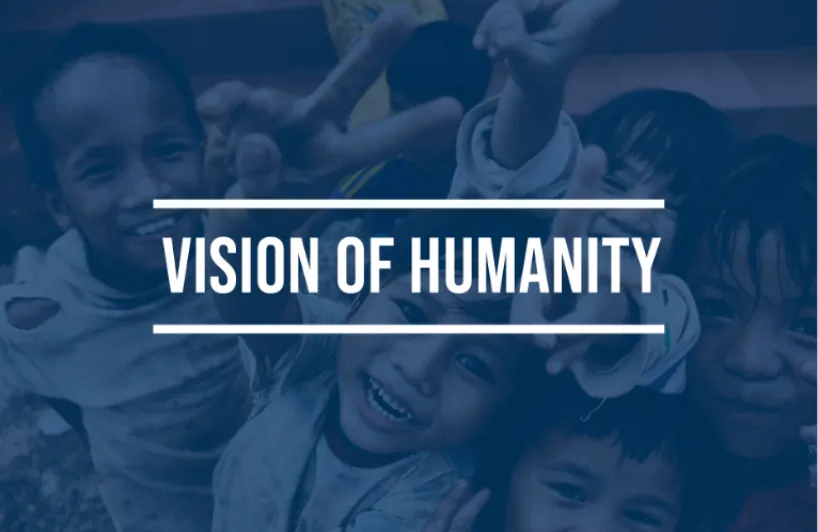
Vision of Humanity

Chronos Agency
Custom, WordPress and small business websites
Custom website design starts in Figma, around how your buyers decide. Then my team builds it as a block library your team can reuse, on WordPress, so marketing can change a headline without waiting on a developer.
Smaller teams get a site that works without a big project. Integrations cover forms to CRM, bookings and portals. And the site keeps improving after launch.
- Custom website design
- WordPress websites
- Small business websites
- Development and integrations
Questions people
ask me.
Is it real WordPress, or an AI builder?
Real WordPress in most cases, with custom blocks your team can edit. Ask the proposal to name the code and content you receive, who controls the domain and hosting account, and any third-party licences. I want your team to understand how the site can be exported and moved before you commit.
Does AI write the content?
AI drafts the structure, first versions and FAQs from real buyer questions. The parts that make a page rank and convert come from you: your examples, your proof, your opinions. A person who knows your business edits every page before it goes live. Pages nobody edited read like everyone else’s.
Can I update the site myself afterwards?
Yes. Sites are built with the block editor, so your team can create and change pages without code, and you can use AI tools to draft updates. What you shouldn’t carry alone is security, updates and hosting. That is what a WordPress care plan is for.
Got a website that should be doing more?
Tell me what the website has to earn. If my team can help, we’ll show you how. If we can’t, we’ll tell you who can.