
Hospitality website design that fills tables, rooms and function spaces
A hospitality website has one job: get the booking. A table for four at seven.



















Why work with Nirmal Gyanwali on hospitality website design?
Two nights at the weekend. A wedding for 120 next spring. Everything else on the site either moves a guest towards that booking or gets in the way. And more and more, the “guest” reading your site first is an AI assistant asked to find somewhere good, nearby, available tonight.
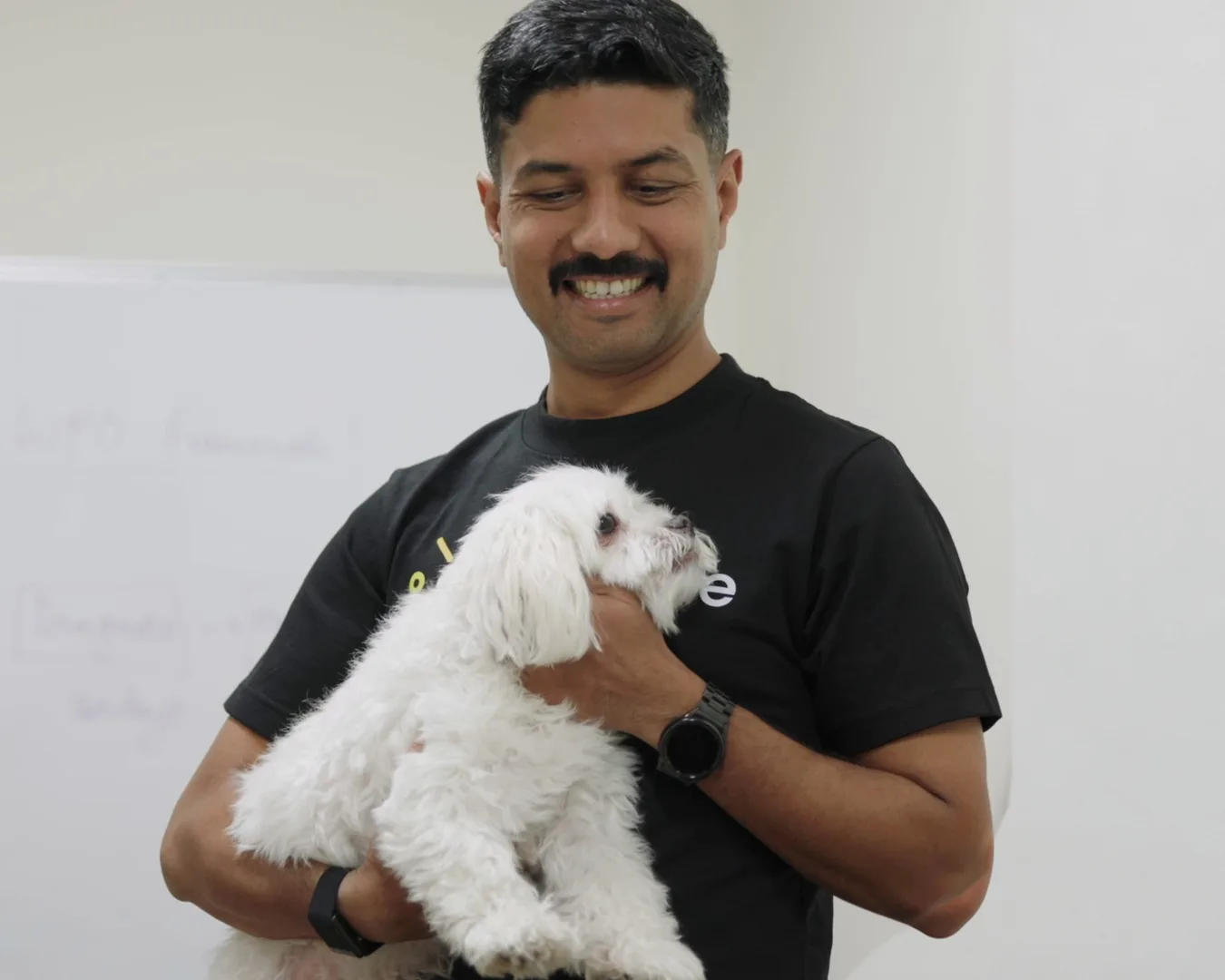
I’m Nirmal Gyanwali, Founder and CEO of WP Creative, and I built PostCliq, which WP Creative operates. My team designs, builds and looks after websites for hotel groups, restaurants, event venues and hospitality franchises. We make the booking path short, the information current, and the site fast on the phone your guest is holding outside the door.
The most common hospitality problem I see isn’t design. It’s that nobody owns the website once it’s live. A hotel group came to my team with several hotel sites that all needed urgent work: plugins behind on updates, slow pages, security overdue. We didn’t sell them a redesign. We fixed the sites worst first, moved them to better hosting and put them on a monthly care plan, so someone is responsible for them every month.
What makes a good hospitality website?
A good hospitality website answers a guest’s practical questions in seconds: what’s on, when you’re open, where you are, what it costs and how to book. The booking button is on every page, the menu is readable text, and the photos sell the experience without slowing the page down. Behind it, the site stays current across every venue in the group.
01
Be found
when someone asks Google Maps, Google or an AI assistant for a place to eat, stay or celebrate nearby.
02
Be chosen
because the menu, prices, photos and availability are clear, and booking takes a minute.
03
Grown
fast in a rush, secure with guest data, current on every site in the group, and better every month.
Where hospitality websites lose bookings
Search engines can read a PDF menu, but menu text on the page is easier for guests, screen readers and AI assistants to use.
01
The menu is a PDF
Slow to open on a phone, fiddly to read on a small screen, and usually out of date.
02
Opening hours disagree
One time on the website, another on Google, a third on the booking platform.
03
The booking button hides
Guests scroll past three hero images before they can book, and every extra step loses guests.
04
One site per venue
Five hotels, five websites, five sets of plugins nobody updates, instead of one platform updated once.
05
Function enquiries go nowhere
A generic form with no date, numbers or budget fields, answered days later.
06
Photography slows the page
Beautiful, heavy images that make the page crawl on 4G outside the door.
The booking-ready checklist
What good looks like
- Menu Text on the page, with dietary and allergen notes; PDF as an optional download
- Opening hours One source, the same on the site, Google and the booking platform, including public holidays
- Booking A button on every page, opening your booking platform in one step
- Prices Menu prices and any surcharges shown clearly
- Location and access Address, parking, transport and step-free access in text
- Functions and events Enquiry form with date, guest numbers and type of event
- Multi-venue structure One platform, one section per venue, shared brand
- Photography Compressed, sized for phones, with descriptive alt text
Why it matters
- Menu Readable on a phone, by a screen reader and by an AI assistant
- Opening hours Wrong hours are the fastest way to lose trust
- Booking Every extra step loses guests
- Prices Australian Consumer Law expects the price a guest pays to be clear
- Location and access Guests with disability plan before they come
- Functions and events The team can quote on the first reply
- Multi-venue structure Updates once, consistent everywhere
- Photography Speed and accessibility without losing the mood
What an AI-ready hospitality website looks like
AI assistants are starting to do the booking, not just the finding. Google’s AI Mode can check restaurant availability and hand the booking to a reservation platform. It started in the US, and in April 2026 Google said it had expanded to more countries, including Australia. Whether a guest asks Gemini, ChatGPT or Siri, the assistant can only recommend what it can read and act on what it can reach.
An agent-ready website for a venue keeps the menu, hours, prices and accessibility details as text, consistent with Google and the booking platform, and links to a clear booking flow. The guest still needs to review the date, party or room details, total price and cancellation terms before approving a reservation. Google can index a PDF, so a PDF menu isn’t invisible. Text on the page is simply easier to read, quote and keep current. It’s the same fix that makes the site faster and more accessible for people.
Before launch, I would test a booking from the guest’s first click to its confirmation: the correct venue, date, party size or room, price and cancellation terms. Then check a sold-out choice, an expired session and a missing confirmation. A click on the booking button is an enquiry signal; it is not proof that the venue received a confirmed reservation.
Hospitality websites my team has built and runs
A hotel group with several sites
An initial plan that worked through its sites in order of priority, covering maintenance, plugin updates, speed and security, then a move to new hosting and a monthly care plan.
A restaurant and function venue
A full website, a custom reservation page, a temporary landing page while it was built, and ongoing updates.
A café franchise network
A franchise recruitment website, regional site builds, store locator maps and subscription management, run alongside a sister brand in the same group.
A multi-location pet boarding and daycare network
A custom website built to drive bookings across locations, with location-specific content.
“Great Team, great service and great follow ups. We had a fantastic experience with them for our group website.”
Group General Manager, a Sydney hotel group
Also: the corporate site for a national experiences marketplace group, looked after on a care plan, and an event venue group supported with technical work and A/B testing alongside its in-house design team.
Rules that shape a hospitality website
Under the ACCC’s price display rules, a menu’s surcharge line (“A surcharge of 15% applies on public holidays”) is shown as prominently as the biggest price on the menu; other advertising shows the single total price. Card surcharges on eftpos, Mastercard and Visa ended on 1 October 2026 under the Reserve Bank’s new rules. Check the detail with the ACCC or your adviser. For guest data, also check what the booking platform’s terms say about storage and access: a platform is only as secure as the way it’s set up.
01
Prices and surcharges
Australian Consumer Law expects guests to see the total price. A menu can show a weekend or public holiday surcharge as a separate line.
02
Allergens
Dietary and allergen notes on the website should match the venue’s own information, sit with the menu text, and carry a “please tell staff” note.
03
Guest data
Booking and function enquiries collect guests’ personal information. Map what belongs in the booking system or approved CRM, who can see it and how long it is kept. Keep sensitive details out of routine notification emails and avoid collecting information the enquiry does not need.
04
Accessibility
WCAG 2.2 AA for the website, and plain information about physical access to the venue: parking, transport and step-free access. Guests with disability plan before they come.
When you don’t need a new website
If your bookings come through and the site is fast, don’t rebuild it for a new season’s look. Move the menu to text, fix the hours, put the booking button where thumbs reach it. Scope those specific fixes before committing to a rebuild. Rebuild when a group of venues runs on separate, unmaintained sites, or when the booking platform can’t be connected properly. Moving several venue sites onto one platform is covered under website migration.

Hospitality website design FAQs
Can you connect our booking platform?
Yes. My team connects the reservation, room booking or event platform you already use, so the booking button opens it in one step on every page. We don’t replace a booking platform that works.
We run several venues. Should each have its own website?
Usually not. One platform with a section per venue keeps your brand consistent and means one set of updates. Where venues have very different brands, we can run separate sites on shared foundations.
Can our staff update the menu and specials?
Yes. Menus can become structured content your team edits like a document. Assign someone to review specials, allergens, prices and holiday hours, then check the booking platform and Google listing after a change. Updating your page does not instantly update every external copy or assistant answer.
Can you help with Google Maps and reviews?
My team keeps your website’s facts consistent with your Google Business Profile, because they need to match. Managing reviews and local SEO is not something we sell; we’ll refer you to a partner.
Do you do hotel and restaurant marketing?
No. My team designs, builds and looks after the website. We don’t run ads, social or SEO; we work alongside the people who do.
Running a venue, hotel or hospitality group?
Book a free call. You’ll talk with me or my team about your guests, your booking platform and what’s costing you bookings now. In Sydney, see my Sydney web design page; anywhere, care plans keep every venue’s site current.