
Engineering website design for buyers who read the spec sheet
Engineers and procurement teams buying from manufacturers don’t start on your homepage.



















Why work with Nirmal Gyanwali on engineering website design?
They go straight to the product, check the specification, download the CAD file, find a distributor and ask for a quote. If any of those steps fails, they move to the next supplier on the list. Today that list is often written by an AI assistant asked “who makes this, to this standard, in Australia?”
I’m Nirmal Gyanwali, Founder and CEO of WP Creative. For my team at WP Creative, engineering website design means websites for manufacturers and engineering firms, covering product catalogues with hundreds of items, specifier pages, distributor locators and quote requests that reach the right salesperson.

What should a manufacturer’s website do?
A manufacturer’s website should let an engineer or buyer find the right product, confirm it meets the specification, download the technical files and request a quote or find a distributor, in a few clicks. Product data must be accurate, searchable and in text, and the marketing team must be able to update ranges without rebuilding pages.
01
Be found
when engineers and buyers search, and when they ask AI assistants for suppliers by product, standard or application.
02
Be chosen
because the specifications, certifications and downloads answer their checklist in a few clicks, without a phone call.
03
Grown
product data that stays accurate through range changes, redirects that protect rankings when URLs move, and a site that keeps improving.
What we hear from manufacturers and engineering firms
01
“Our catalogue lives in PDFs.”
Google can index a PDF, but a large catalogue is harder to filter and keep aligned with individual product pages. Buyers need to know which revision applies and where to find the current specification.
02
“Adding a range takes weeks.”
Every product page built by hand, so the website trails the factory.
03
“Specifiers can’t find the files.”
CAD, DXF and data sheets scattered or blocked by upload limits.
04
“Where do I buy it?”
No distributor or store locator, or one that’s years out of date.
05
“Quotes reach the wrong person.”
Quote requests land in a generic form, then get forwarded around the business.
06
“The site looks dated.”
It looks how the company did ten years ago. The products moved on; the website didn’t.
The specification checklist
Engineer or specifier
- Specifications Full technical data as text, units stated
- Standards and certifications Which standard, certificate number
- Downloads CAD, DXF, BIM, installation guides
- Range and variants Every size and option
- Applications and case studies Where it has been used
- Where to buy Distributor or direct
- Quote request Product pre-filled
Procurement or buyer
- Specifications Key specs at a glance
- Standards and certifications Proof for compliance files
- Downloads Data sheet PDF
- Range and variants Which variant to order
- Applications and case studies Proof from similar buyers
- Where to buy Lead time, contact
- Quote request Quantity, delivery location
AI assistant
- Specifications Values it can read and compare, not an image
- Standards and certifications The standard named in text
- Downloads The page text, with the file as a supplement
- Range and variants One page per product with variants listed
- Applications and case studies Projects described in text
- Where to buy Locations and contact as text
- Quote request Labelled fields and a request the person reviews before submission
What an AI-ready manufacturing website looks like
Buyers already ask AI assistants to help them research suppliers: 45% of B2B buyers in a Gartner survey of 645 used generative AI in a recent purchase (fielded in 2025, not an Australian-only sample). Google indexes PDFs too, so keep your data sheets. But an agent-ready website gives each product one page with its specifications, standards and variants in HTML, keeps the PDF as a download, and lists distributors as text an assistant can read. It is the same structure that makes the catalogue easier for your own team to maintain: enter the data once, and every page, filter and comparison updates.
I learned how much that structure matters from a building products manufacturer whose catalogue rebuild kept tripping over its own data. Ranges weren’t showing on the specifier pages, quote request links were broken, and upload limits were blocking the PDF documents its team shared with clients. My team set up proper taxonomy for ranges and product types, added DXF downloads to each product, restored the quote links and missing categories, then trained the marketing team to manage categories and files themselves. A catalogue is a data project wearing a design brief. Treat it as artwork and it breaks the week a new range arrives.
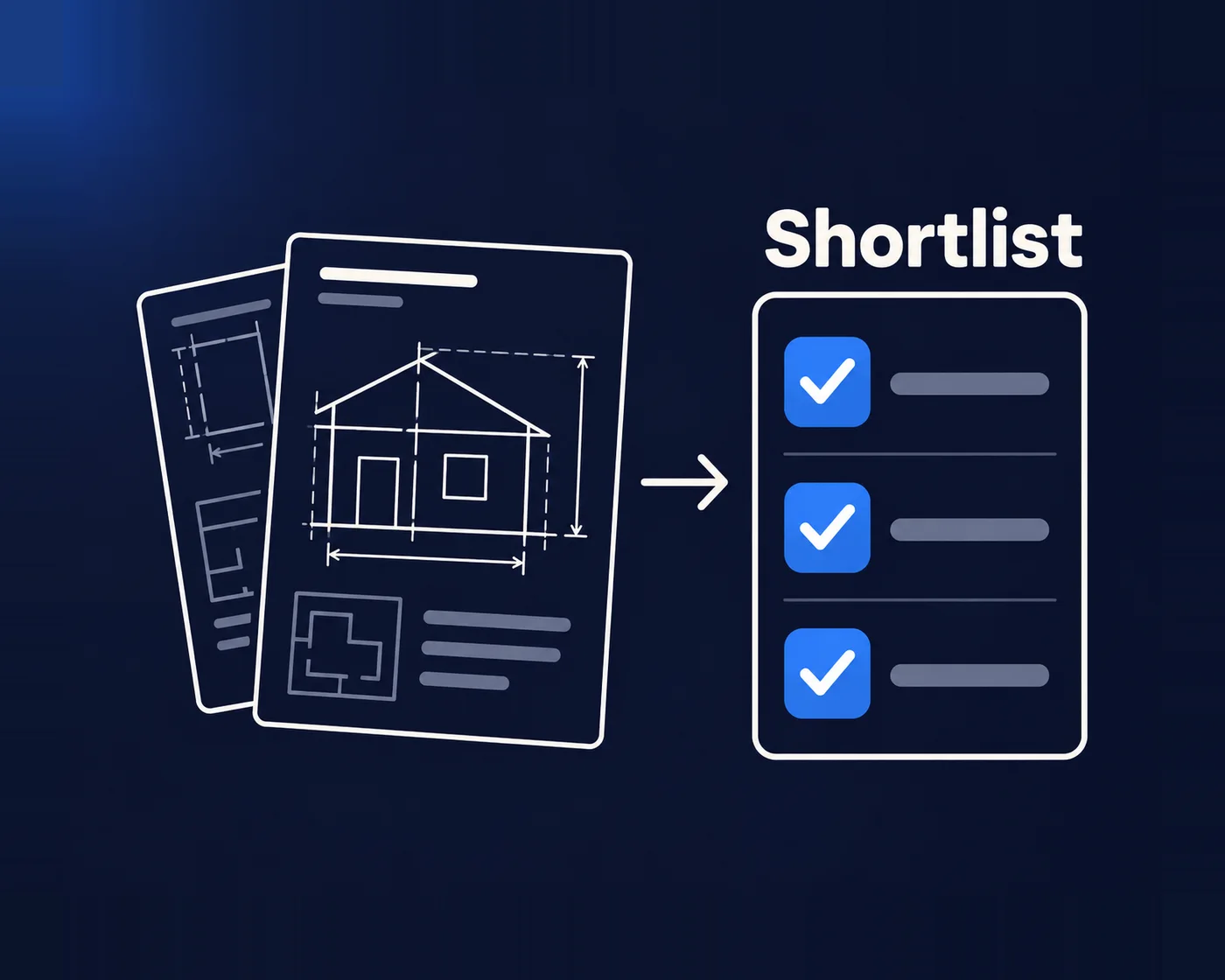
What if you sell engineering expertise rather than products?
A consulting engineering firm needs a different proof structure from a manufacturer. I would organise its services by discipline and project stage, then show the firm’s actual role on each approved project: what it designed, reviewed or delivered, the constraints it worked within and who can verify the work. A photograph of a completed bridge does not explain whether you designed it or supplied one component. Keep confidential drawings and client details out of the public example, and give a serious buyer a clear route to request the relevant capability information.

Websites my team has built for manufacturers and engineering firms
Also: a structural steel engineering firm that builds bridges and large steel structures, and a custom electrical switchboard manufacturer.

Crown Furniture
Read the case study
TNA Solutions

Custom online store with CRM, SMS and Australia Post integration
Mesh Direct
Rules that shape a manufacturing website
01
Certifications
Only claim standards and certifications the product holds, with the certificate number or scope where buyers expect it.
02
Product claims
Australian Consumer Law applies to performance claims on product pages. Keep them measurable and sourced.
03
Technical files
Version your data sheets and CAD files, so a specifier downloading today gets today’s file.
04
Accessibility
WCAG 2.2 AA is the target my team designs to. Government and enterprise buyers ask for it in tenders.
When you don’t need a new website
If your catalogue structure is sound and the problem is slow pages or a missing locator, fix those. My team often adds a distributor map, a quote flow or a CAD library to an existing site. Rebuild when the product data can’t be structured, when every new range means building pages by hand, or when the platform can’t be kept secure. Moving a catalogue means checking product mappings, downloads, redirects and indexability as well as the new design. The risk controls are covered under website migration.

Engineering and manufacturing website design FAQs
Can you import our product data from a spreadsheet or ERP?
Yes. My team builds the product structure first, then imports in batches with checks on categories, attributes and formatting, so a thousand products don’t mean a thousand manual pages.
Can engineers download CAD and DXF files?
Yes. We set up a file library linked to each product, with upload limits and storage sized for large technical files, and gated access where you need to know who downloaded what.
Do you build B2B ordering and ERP integration?
Yes, but that’s a different page. See B2B web design for online ordering, account pricing and ERP connections.
We make building products. Which page fits?
Both work. My construction website design page covers specifiers and project pages in more depth.
Do you do industrial marketing or SEO?
No. My team designs, builds and looks after the website. We don’t sell SEO or advertising; we’ll refer you to partners and work alongside them.
Making something engineers specify?
Book a free call. You’ll talk with me or my team about your products, your buyers and what your catalogue should do first.