
WordPress web developers, led by someone who still loves building
Most teams start looking for WordPress web developers when the website has become the slowest part of marketing.



















Why work with my team of WordPress web developers?
Every landing page waits in a queue. Every plugin update is a gamble. The cost is no longer only internal. In AirOps’ April 2026 study of 50,553 ChatGPT answers, a page in first place in ChatGPT’s own search results was cited 58.4% of the time, against 14.2% in tenth place. That is one engine and a correlation, not a guarantee. It does not establish a Google ranking rule or prove that a particular build will be cited.
I didn’t touch a computer until I was 17. I learned from a classified ad offering free DOS classes, and I’ve built for the web since 2005. The lesson I’d pass to any marketing team is short: build only what the business uses. Every plugin is weight. You carry all of it, even if you use 5% of it.
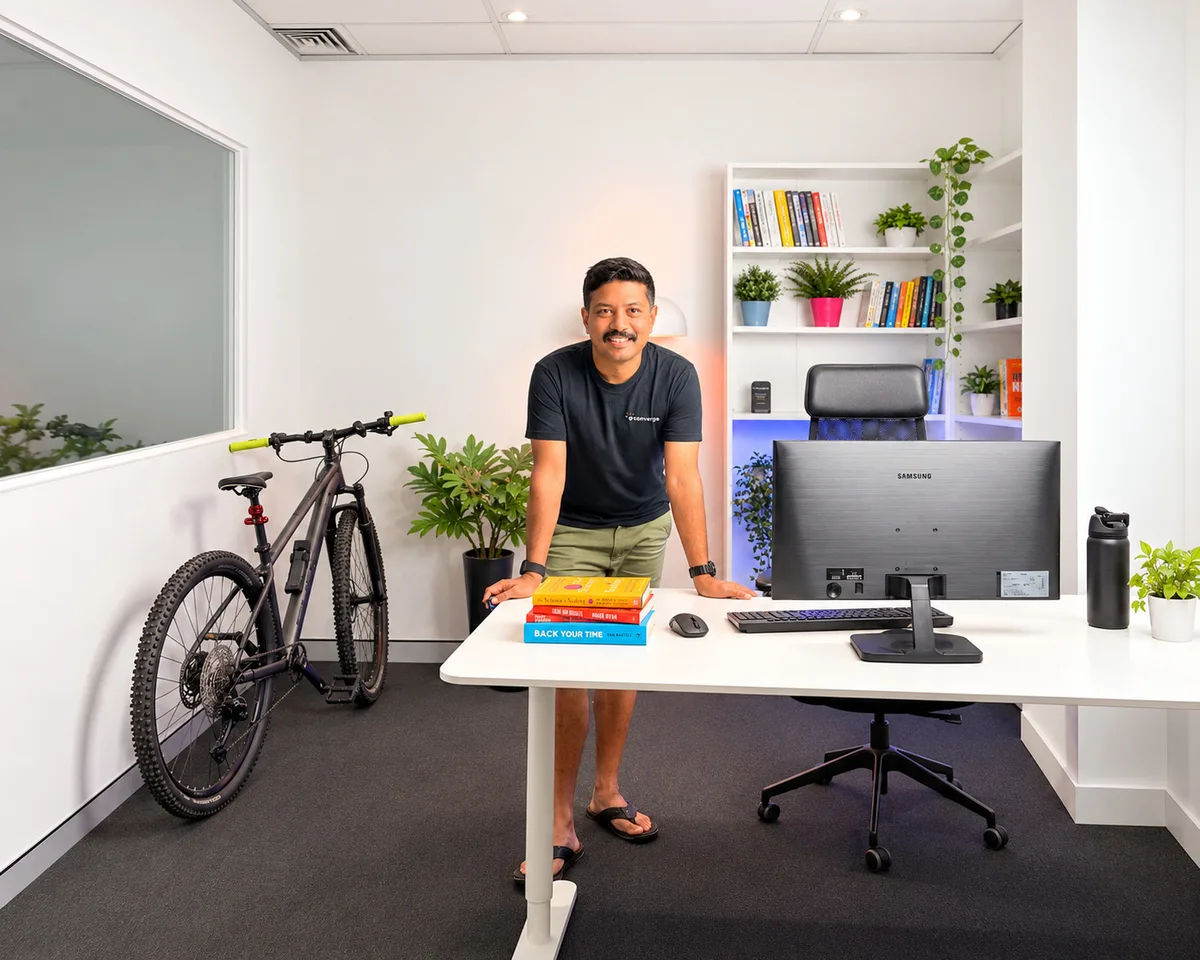
I’m Nirmal Gyanwali, Founder and CEO of WP Creative, and I built PostCliq. I set the direction and the standards; my team at WP Creative, 40+ people, designs, builds, tests and looks after the work. Book a free call and you’ll talk with me or my team.

Do I need a custom WordPress developer, or will a theme do?
A theme will do if your site is a few pages that rarely change and nobody depends on it for leads. Hire a custom WordPress developer when the site carries campaigns, integrations or a sales process. Custom means choosing the components around your requirements. Performance, update safety and editing still need to be tested, and somebody must maintain the custom code.
Theme site
- Code you carry Check the actual theme and extensions
- Updates Check vendor support and test dependencies
- Editing Test available templates and editor roles
- Choose it when A small brochure site with low stakes
Custom build
- Code you carry Check the custom components and dependencies
- Updates Assign a maintainer and test dependencies
- Editing Test the proposed blocks and editor roles
- Choose it when The site carries leads, campaigns or integrations
Flare HR is the example I use. Their site had outdated themes and several page builders, and it was slowing the marketing team down. My team moved them to a streamlined theme and built 50+ landing pages and resources. Its published case records Ahrefs-estimated monthly organic traffic from 5,673 to 11,782 a month over 16 months, a 107.7% change across the wider programme.
When not to: if you’re testing a new offer, a good theme or a landing page tool is fine. Spend on custom once the site has a job worth protecting.
What my team builds
01
Custom WordPress themes
Built from your designs, lean and fast, with components selected for the brief, measured page performance and a named maintenance owner.
02
Block editor development
Reusable blocks your team snaps together into new pages, built around how you publish, so nobody waits in a developer’s queue.
03
Custom plugins
When an off-the-shelf plugin would add more weight than value, or a feature has to talk to a system nothing else supports.
04
System integrations
Connections to HubSpot, Salesforce, GA4, Google Tag Manager, Microsoft Clarity, Stripe, ERPs where API access, licences, data scope and rate limits support the connection.
05
WooCommerce stores
Stores, checkouts and B2B portals, including custom WooCommerce connected to business systems like SAP. See WooCommerce developers.
06
Custom web applications
Portals, member areas and logins, built on WordPress and documented so another developer could pick them up. See custom web applications.
07
Site migrations
From Wix, Squarespace or other CMSs to WordPress, with every URL mapped, with relevant redirects and intentional removals tested, then rankings and enquiries watched after launch. See website migration.
08
Site speed
Core Web Vitals fixed on the pages that make money first: the landing pages and forms your campaigns depend on.
09
Care after launch
Updates tested on staging, security and support, so the site keeps working after launch. See WordPress maintenance.
When is a custom WordPress plugin worth building?
Build a custom plugin when an off-the-shelf one would add more code than value, when it has to talk to a system nothing else supports, or when it holds logic your business depends on. Otherwise, use a well-supported plugin. Custom code is something you maintain forever, so it has to earn its place.
One example: a professional services firm needed registration, login, quoting and checkout connected to its back-office system. The agreed workflow needed custom work, so my team built and documented the WordPress/WooCommerce portal for another developer to maintain. For portals and member areas, see custom web applications.
When not to: use a supported standard component when it meets the requirements. A form with unusual validation, privacy or integration needs may justify custom work; name that need before paying to build it.
Should we hire an in-house WordPress developer?
Usually not until you have a full-time backlog. One in-house developer is one person’s skills, one person’s holidays and one salary, while most marketing teams need design, development, QA and security in bursts. Hire in-house when the site changes daily. Otherwise use an outside team and keep one person inside who owns the priorities.
Solo developer
- Skills One person’s
- Cover when away Agree the cover arrangement
- How you engage Hourly, when available
- Accountability Personal
In-house developer
- Skills One person’s
- Cover when away Agree the internal or partner cover
- How you engage A full salary
- Accountability Internal
An outside team (mine)
- Skills Design, development, DevOps, QA, technical SEO
- Cover when away Name the delivery owner and cover
- How you engage Scoped project or ongoing plan
- Accountability A project manager owns delivery; I set the standards
When not to: if your site changes every day and needs someone in the room, hire in-house and use an outside team for the specialist work. If you were searching for a website developer in Sydney, my homepage explains how working with me and my team compares. For the wider market, see my guide to what WordPress developers charge in Australia.
How do I hire a WordPress developer?
Judge the work they still look after, not the portfolio. Anyone can call themselves a WordPress expert. Before you hire a WordPress developer or a team, ask for a live site they built and still maintain, then ask the six questions below.
The rescues I get called into are rarely bad code. It’s a business-critical site on one person’s laptop, with no staging and no notes.
For developer handover, ask for the repository, supported runtime and dependency list, build/release instructions, licence terms and a safe way to prove recovery. Name the maintainer for custom code and the owner of live data. A ZIP of theme files is not a complete operational handover.
When not to: for a one-off fix on a small site, a marketplace such as Upwork or Fiverr is fine. Run the same six questions anyway, and keep the admin logins in your name.
- Is it still fast? Run a site they built through PageSpeed Insights yourself. Look at the mobile result and the Core Web Vitals, not the desktop score.
- Who writes the code? Ask whether it’s an employee, a subcontractor or someone found on a marketplace, and who covers when that person is away.
- How are updates tested? You want a staging copy, version control and a way to roll back. “We update on live, carefully” is not a process.
- Who owns what? Record rights and licence terms for code and assets. Put domain registration, hosting, analytics and recovery access under the business’s control.
- Is the quote clear? Check their ABN on ABN Lookup and whether the price includes GST. The project scope should say what is out, not only what is in.
- What happens to form data? If the Australian Privacy Principles apply to your business, ask where enquiries are stored and who can see them.
Building with AI, with a person owning every change
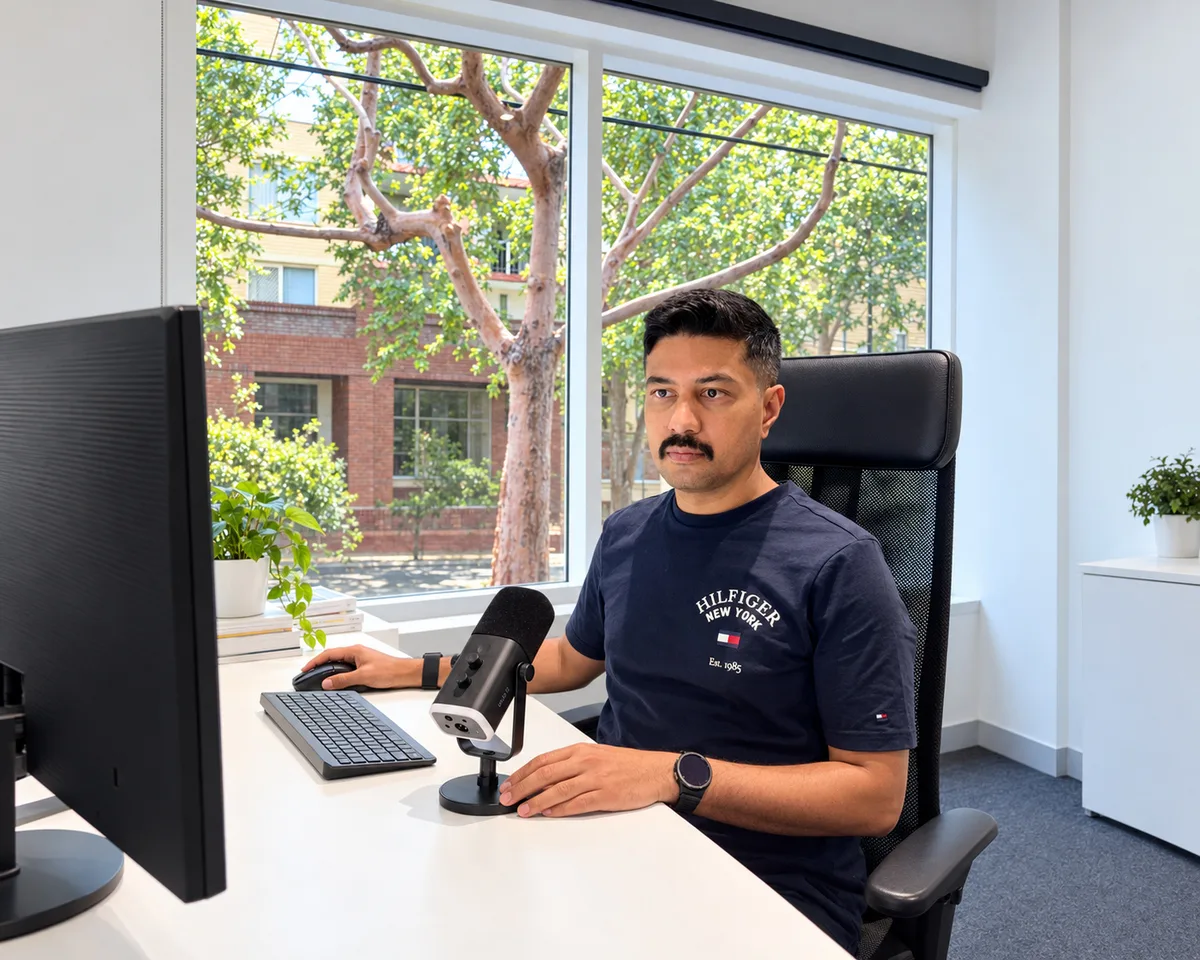
My team uses AI for the repetitive parts of WordPress work: scaffolding blocks, mapping URLs and writing tests. AI isn’t accountable for any of it, so four rules stay in place:
These rules run across WP Creative’s WPO framework: Claude Code inside a set project structure with real guardrails, so the team designs and delivers faster without handing AI the keys. I build and test agents and AI workflows like this every day, on our own platform and in client work, and WP Creative is working toward ISO 27001 certification. Whether AI-built code is secure is a question I answer in full on AI website security.
- Least privilege. AI tools get the lowest access the task needs, through tools that allow only that task, never an administrator login.
- Approval. A developer reviews the change before it goes live.
- Logs. Every change is recorded, so you can see who or what made it.
- Recovery. Version control supports code rollback. Database content, orders and uploaded files need their own backup, reconciliation and recovery plan.
Results from the team I lead
Gregory Jewellers
Mobile PageSpeed score up from 27 to 66 out of 100, and desktop from 56 to 81, after updates and speed work on a care plan. That is Google’s lab score, not a load time.
Clifton Lifestyle
Every resort moved onto one WordPress platform, and organic clicks rose 58%, from 1,694 to 2,681 a month (Google Search Console, May 2025 against July 2026).
Those results belong to those engagements. See WP Creative’s case studies
“Nirmal and his team are incredibly talented and dynamic. They’re the right people for getting the job done with speed and efficiency.” Aravind Balasubramaniam, Digital Performance and Marketing Manager, Ironfish.
Where my team works
I’m based in Sydney and my team works across Sydney and Kathmandu on Australian business hours, for businesses all over Australia. If you’re in Sydney and want to talk it through in person, see WordPress developer in Sydney. Local pages: WordPress web design in Melbourne and web design in Canberra.
WordPress web developers FAQs
How much does it cost to hire WordPress developers?
What drives the cost, and how to judge a quote, is in my website cost guide. Market hourly rates for individual developers are in my WordPress developer rates guide. WP Creative’s offer is on wpcreative.com.au.
What’s the difference between a WordPress designer and a WordPress developer?
A WordPress designer decides how the site looks and how visitors move through it to an enquiry. A WordPress developer builds it: the theme, blocks, plugins, integrations and speed. Small sites can get by with one person doing both. Sites that carry leads usually need both skills, plus someone testing the work.
Can you take over an existing WordPress site?
Yes, and it’s normal: most sites my team works on were built by someone else. We audit the theme, plugins, hosting, backups and who holds the logins before changing anything, then fix what puts leads or security at risk first. If your developer has gone quiet, see website support Australia.
Does it matter where your web team is based?
Less than overlapping hours, cover and accountability do. Ask where the team is, whether they’re employees or contractors, and whose time zone they work in. Mine, honestly: WP Creative is headquartered in Sydney, and most developers are in Kathmandu as full-time staff on Sydney business hours. No contractors, no outsourcing. We follow a strict delivery process and we’re working toward ISO 27001 certification.
Should the developers talk to us directly?
Yes, when it helps, but not for everything. A project manager who is technical enough to own delivery keeps the work moving. When a detailed technical conversation is needed, the developer should join the call. On my team, that’s how it works.
Can an outside team work alongside our own developers?
Yes, and it’s often the best setup. Your developers handle day-to-day changes; an outside team takes architecture, performance and integrations, on one shared board. Agree who owns releases before anyone writes code.
How long does a WordPress project take?
A typical custom build takes 6 to 10 weeks from kickoff to launch. Bigger builds with integrations and migrations run longer.
Let’s build something that works
Tell me what the site has to do. On a free call, you’ll talk with me or my team. If there’s work worth doing, my team scopes it in writing, with the known unknowns named. If there isn’t, we’ll say so.