
eCommerce website design Sydney: online stores built to sell
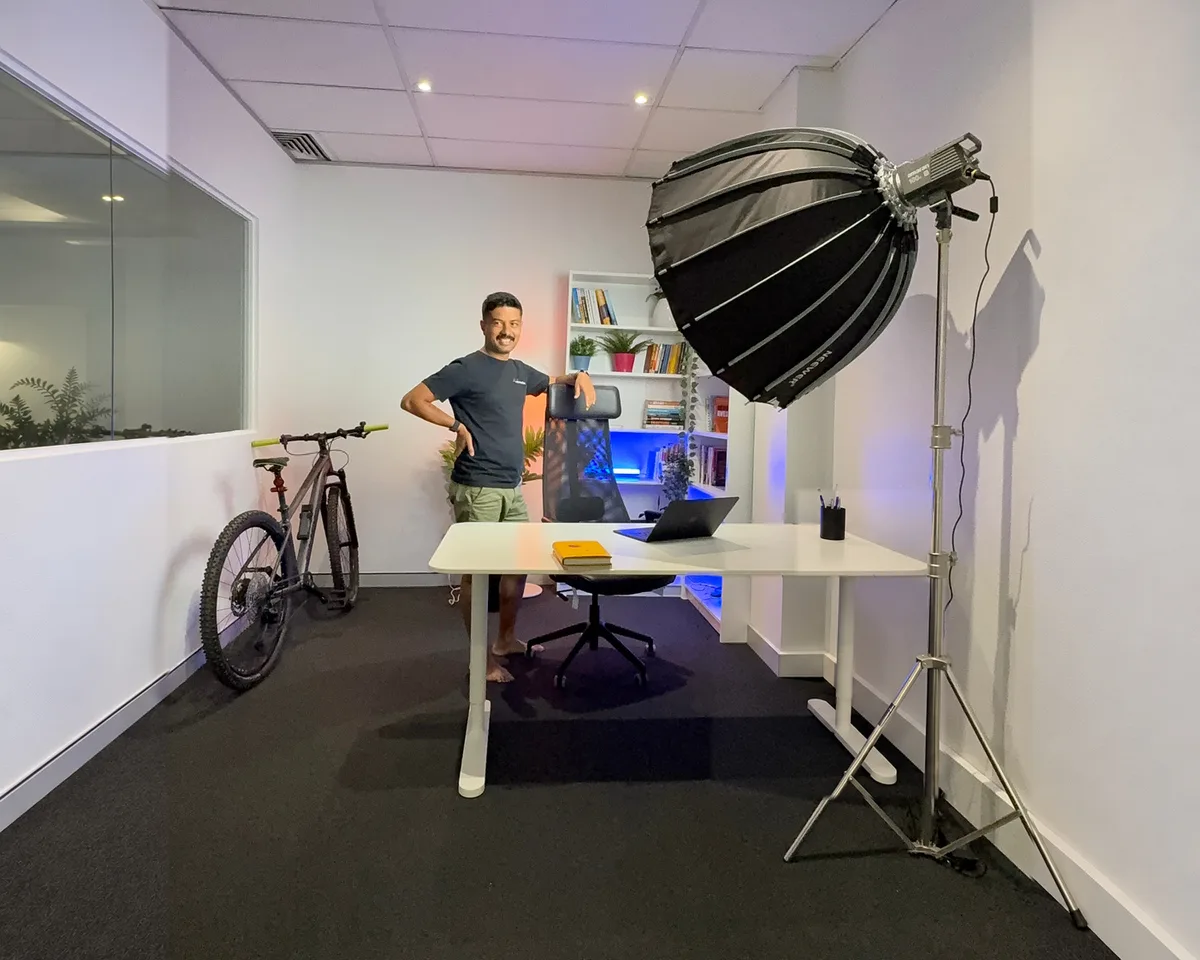
eCommerce website design in Sydney should start at the checkout. I’m Nirmal Gyanwali, Founder and CEO of WP Creative, and my team designs, builds and looks after WooCommerce and Shopify stores for Sydney businesses, from small catalogues to thousands of products.



















Why work with Nirmal Gyanwali on ecommerce website design Sydney?
Because a good-looking store that loses people at checkout is an expensive brochure. And the visits it has to convert are getting scarcer: Ahrefs found the top Google result had a 58% lower click-through rate when an AI Overview showed. That study covered 300,000 mostly informational keywords on December 2025 desktop data, not product searches, so treat it as the direction of travel, not a number for your store.
For your store, look at the evidence before choosing the work: product-page visits, add-to-cart events, checkout starts and completed orders. A store losing buyers at payment needs a different response from one the right buyers never find. Fix a verified checkout problem before spending to send more people into it.
I learned how much trust matters in online selling when I helped the founders of designerex, a designer clothing marketplace, build what their co-founder called “a world-first technology platform”. It went global and raised funding. Every listing, photo and checkout step either builds trust or spends it.
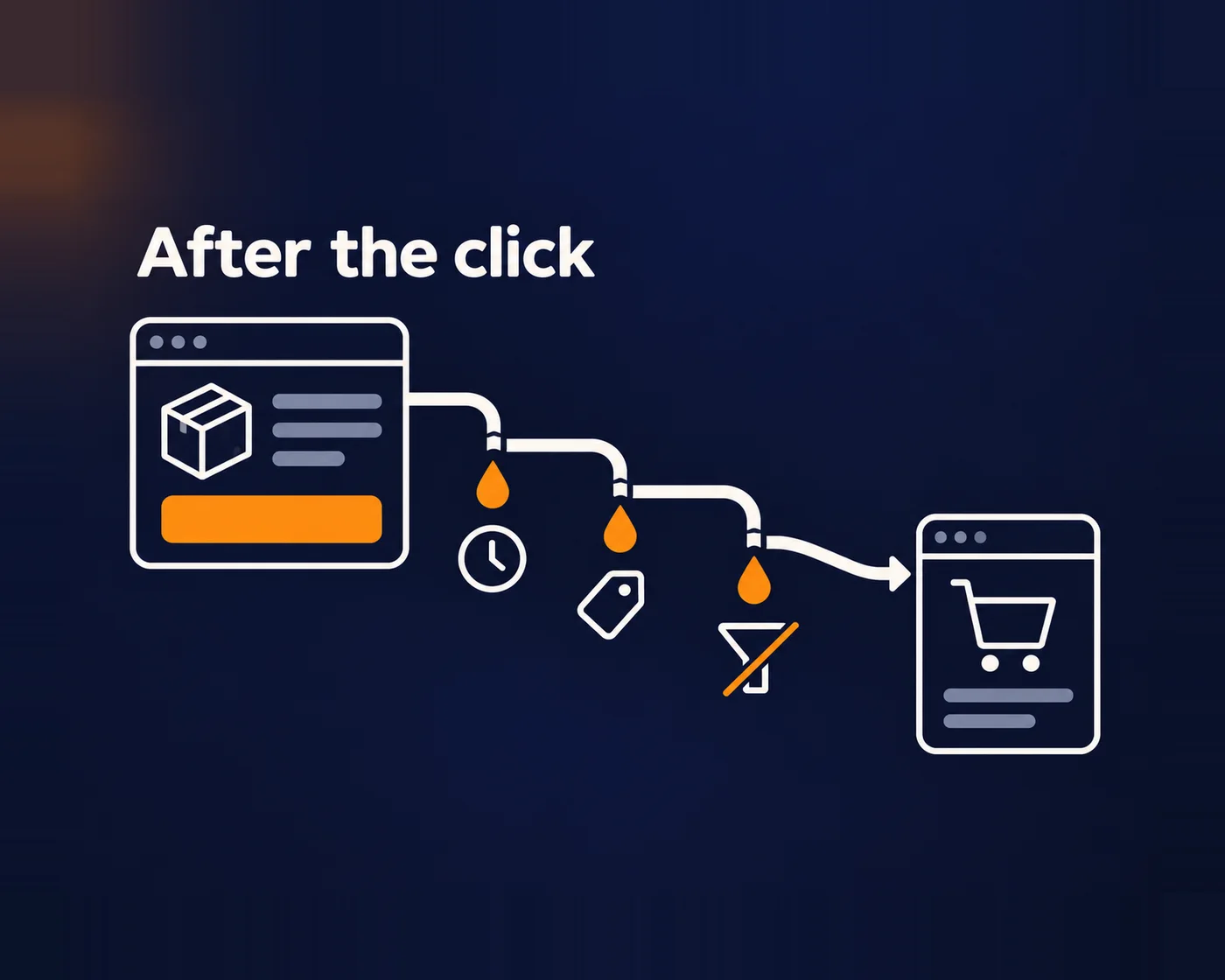
I’ve built for the web since 2005, and I built PostCliq to show where shoppers get stuck after the click. I set the direction and the standards; my team at WP Creative does the design, build and care.

What should ecommerce web design in Sydney include?
Six things, whether your store sells tiles, jewellery or trade supplies. Ecommerce website development in Sydney should cover each one, because each moves a shopper closer to paying or saves your team time.
01
Store UX design
Product pages, categories, search and filters designed around how your customers compare and choose, starting with your top sellers.
02
Conversion-focused checkout
Fewer steps, guest checkout, clear shipping and fees, and express payments like Apple Pay, Google Pay and Afterpay.
03
Systems integration
Accounting, ERP, inventory and CRM connected around an agreed source of truth, with failed-sync alerts and a way to reconcile orders, stock and invoices.
04
Product templates
One strong product template that hundreds of products use, so a new range goes live without a designer.
05
Search-ready structure
Category and product structure, schema and speed, so Google and AI shopping agents can find and read your products.
06
Care after launch
Updates tested on staging, security checks and a real test order every month. For deeper store work, see WooCommerce developers.
WooCommerce or Shopify for a Sydney online store?
Choose the platform for the store you’ll be running, not the one you’ll launch. WooCommerce gives you control over the WordPress store and custom rules, alongside responsibility for hosting and extensions. Shopify bundles hosting and checkout and can support complex retail and B2B stores within its plan and app limits. Map trade pricing, fulfilment, stock ownership and accounting before making the choice.
The full Shopify vs WooCommerce answer, with the catalogue-size and B2B conditions spelled out, is on my ecommerce website development page. WooCommerce website design is my team’s specialism because it runs inside WordPress, where we’re strongest. We build on Shopify when it’s the better fit, and say so. If you’re on Shopify and thinking of moving, read my guide to migrating from Shopify to WooCommerce.

How do I lift my online store’s conversion rate?
Fix the leaks before any redesign: small fixes on high-traffic pages beat a pretty new homepage. Five fixes, in this order:
You’re measuring post-click value: what a visit, by a person or an AI agent, is worth after the click in enquiries, sales and revenue. PostCliq is free and shows which fixes come first. Run your store through PostCliq
When not to run an A/B test: if traffic cannot give you enough completed orders to distinguish a useful change, start with task testing and fixing reproducible errors. The sample needed depends on your baseline conversion rate and the improvement you want to detect, not a universal visitor threshold.
Before launch, I would also walk an order through its full lifecycle: an in-stock variant, a realistic delivery postcode, payment confirmation, the correct stock reduction and a refund. Then check what happens if the payment succeeds but the stock or accounting sync times out. Someone needs to see and reconcile that exception without creating a second order.
- Mobile speed. Test your top product pages on a real phone, on a normal connection.
- Shipping and returns, early. Checkout-only costs are a common reason people leave.
- Trust at the button. Reviews, delivery times and payment options beside add to cart.
- A shorter checkout. Fewer fields, guest checkout, Apple Pay and Google Pay.
- Measure, then change. Heatmaps and session recordings show drop-offs. Fix one at a time.
What drives the cost of an ecommerce website in Sydney?
Scope, not the postcode. Two Sydney stores with the same number of pages can cost very different amounts, because the work hides in products, rules and systems. These five drivers explain most of the gap between quotes:
Line quotes up by these five before you compare totals. My website design cost guide explains how to judge a quote. I never publish prices here.
- Products and variants: 50 simple products is a different job to 5,000 with sizes, colours and trade prices.
- Integrations: every system the store talks to, and which direction the data flows.
- Checkout rules: B2B pricing, international shipping, subscriptions or click and collect.
- Migration: moving products, customers, orders and old URLs from another platform.
- Care after launch: who updates, tests and watches the store every month.
What should I look for in an ecommerce web designer in Sydney?
Look for someone who designs around how your customers choose and pay, not around a portfolio. Most ecommerce site designers lead with homepages; ask to see a store’s checkout instead. Ask how they test real orders, how they connect stock and accounting, and who owns the store and accounts afterwards. Four checks:
When not to hire a designer at all: if your store is a few products and you’re still testing demand, a standard Shopify theme is fine. Spend on design once you know what sells.
- Checkout first. They can show you a checkout they designed and the numbers it produced.
- Systems. They map orders, stock and accounting before they design a template.
- Ownership. The platform, data, domain and accounts sit in your name.
- After launch. Updates are tested on staging, with real checkout tests, before they go live.

Can AI shopping agents buy from my store yet?
Not in any real volume yet. OpenAI’s current merchant offering focuses on product discovery and sends shoppers to the merchant’s site or app by default. Google’s UCP-powered checkout covers eligible products in Australia, Canada and the United States, but only for participating merchants with the required integration. Neither tells you how much revenue your store will receive. Start with accurate product data and a reliable checkout, then assess a specific programme against your real customers.
This is the agentic web arriving in retail: the stage of the internet in which AI agents, not just people, find, read, compare and act on websites on someone’s behalf. Cloudflare’s test for being ready is four words: readable, discoverable, callable, payable (6 August 2026). For a store, that means product facts in plain text, structured data on every product, correct stock and price, and a checkout that doesn’t depend on guesswork. The same work helps human buyers today.

Results from stores and online retailers
Online stores my team has built or looks after.

Tile Factory Outlet
Read the case study
Custom online store with CRM, SMS and Australia Post integration
Mesh Direct

Gregory Jewellers
“Our online eCommerce service not only rivals our competitors but goes a step beyond, thanks to Nirmal and their team.”

“WP Creative has been great to work with, professional, responsive, and skilled in what they do.”

“Nirmal, Saba and all the team, you really did deliver on your promise. Thank you for your excellent service, great support, ease of communication and most of all delivering an outstanding website!”

eCommerce website design Sydney FAQs
How much does ecommerce website design cost in Sydney?
It depends on products, integrations and checkout rules far more than on page count. A small catalogue on a standard theme and a B2B store connected to an ERP are different projects. My website design cost guide explains the drivers and how to compare quotes, and WP Creative publishes its own offer.
Do I have to design a page for every product?
No. You design one strong product template and every product uses it. Start with your top 20 sellers to get the photos, descriptions and specifications right, then roll the rest of the catalogue through the same template. That keeps the design consistent and makes adding new ranges quick for your team.
Will hundreds of products slow my site down?
Product count alone does not decide performance. Variants, search and filter queries, images, extensions and the number of shoppers using the store together all matter. Test representative product and category pages with the real catalogue and expected busy-period traffic before promising a load time. A small demonstration catalogue cannot prove how the finished store will behave.
Can I add a store to my existing website?
Usually, yes. If your site is on WordPress, WooCommerce can be added without starting again, and your existing pages can keep their URLs and content. That keeps the risk to your rankings low, though no one can promise rankings won’t move while a site changes. The work is in products, payments, shipping and testing. I explain how in creating an eCommerce store with WordPress.
Is my website safe to take payments?
It should never hold card numbers in the first place. A properly built store uses the gateway’s hosted checkout or hosted payment fields, such as Stripe’s or PayPal’s, so card details go straight to the gateway rather than through your server. That depends on how the gateway is integrated, so ask. It reduces your PCI obligations; it doesn’t remove them, and Stripe still expects every business to attest to PCI compliance each year. Everything around the gateway still needs protecting too: updates, admin access, two-factor logins and monitoring, checked every month rather than once at launch.
Do I need an ecommerce website designer based in Sydney?
It helps for workshops, not for the work itself. My team is in our Ultimo office in Sydney and in Kathmandu, works on Sydney business hours and meets in person in Sydney when a project needs it. Choose for checkout skill, systems knowledge and care after launch first, and postcode second.
How long does an ecommerce website take to build in Sydney?
The code is rarely the slow part. Product data, photography, integrations and approvals set the timeline, so start gathering those first. Plan launch away from your peak: for most Sydney retailers that means live and tested well before Black Friday in late November, not during it. Ask any designer for a plan with named dependencies.
Can a Sydney store sell to customers overseas?
Yes, if checkout is built for it. International buyers need prices in their currency, the right payment gateway for their market and shipping that shows duties up front, so the total doesn’t surprise them at the door. Start with one or two markets that already find you, then expand once orders and returns run smoothly.
Ready to build a store that sells?
Start with the decisions: my guide to choosing an ecommerce platform walks through them. Then book a free call and bring your product count, your systems and where sales are leaking. You’ll talk with me or my team, and we’ll tell you what we’d fix first.